Tesla Autopilot Lawsuit: When “Self-Driving” Costs Real Lives
Published: January 6, 2026
Autonomous Vehicles & Accountability
I’ve sat in post-mortems where a single assumption quietly killed a system. This story is about assumptions killing people.
On a clear September morning in 2023, a family loaded their car for a camping trip. They never made it past the highway curve. There was no explosion, no dramatic failure cascade — just a modern vehicle drifting across a line it was supposed to understand.
Five people died. A dog died. And an idea we keep selling ourselves died with them.
A Curve That Shouldn’t Have Been Deadly
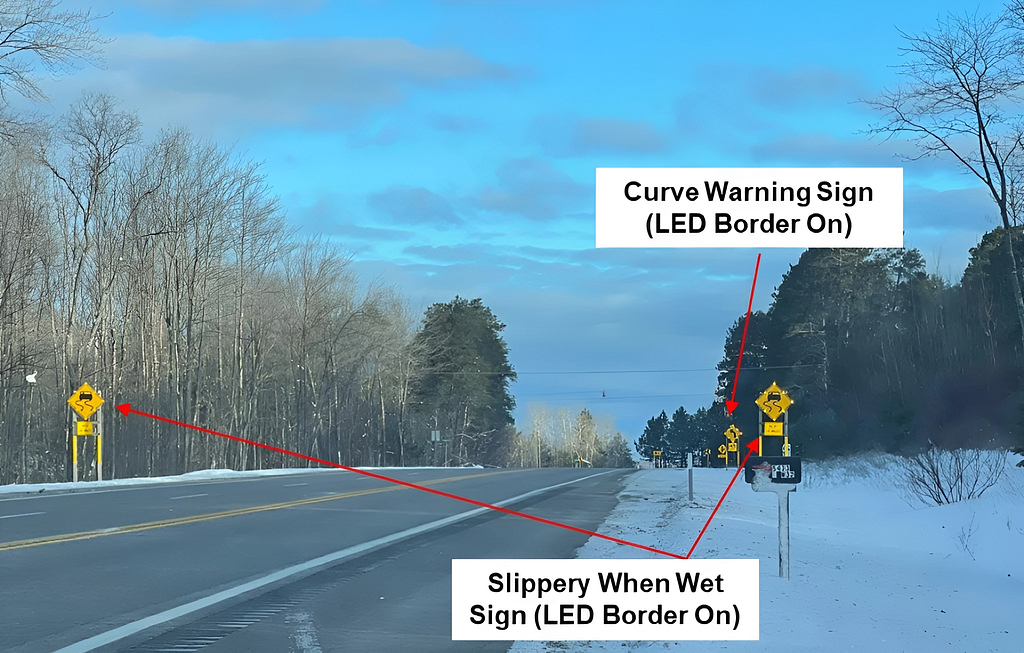
The Blaine family’s 2022 Model X crossed the center line on Idaho State Highway 33 and met a fully loaded tractor-trailer head-on. Everyone inside the Tesla was killed instantly.
I’ve reviewed enough incident reports to know this detail matters:
It was a gentle curve.
Not a blizzard.
Not a construction maze.
Not chaos.
The lawsuit doesn’t hinge on whether “Full Self-Driving” was active. It hinges on something more damning: even with Autopilot disengaged, the safety stack was supposed to intervene.
It didn’t.
And that’s the part people miss.
What the Lawsuit Really Alleges
This isn’t a “driver fell asleep” case. The complaint argues something subtler and far more dangerous: Tesla’s design and marketing created a false sense of system competence.
According to the filing, multiple independent safety features failed to respond at the same moment:
- Lane keeping
- Lane departure warnings
- Emergency lane avoidance
- Basic steering intervention
Anyone who’s worked on safety-critical systems knows this smell.
Redundancy isn’t optional — it’s the whole point.
When every layer fails quietly, you don’t have a fluke.
You have a systems problem.
If this were a one-off tragedy, it would already be forgotten. It isn’t — and that’s the problem.
The lawsuit names Tesla and Elon Musk directly, arguing that years of public claims trained drivers to trust the car in moments when they shouldn’t.
That trust was fatal.
This Wasn’t an Isolated Failure
If this were one tragic anomaly, I’d be cautious.
It isn’t.
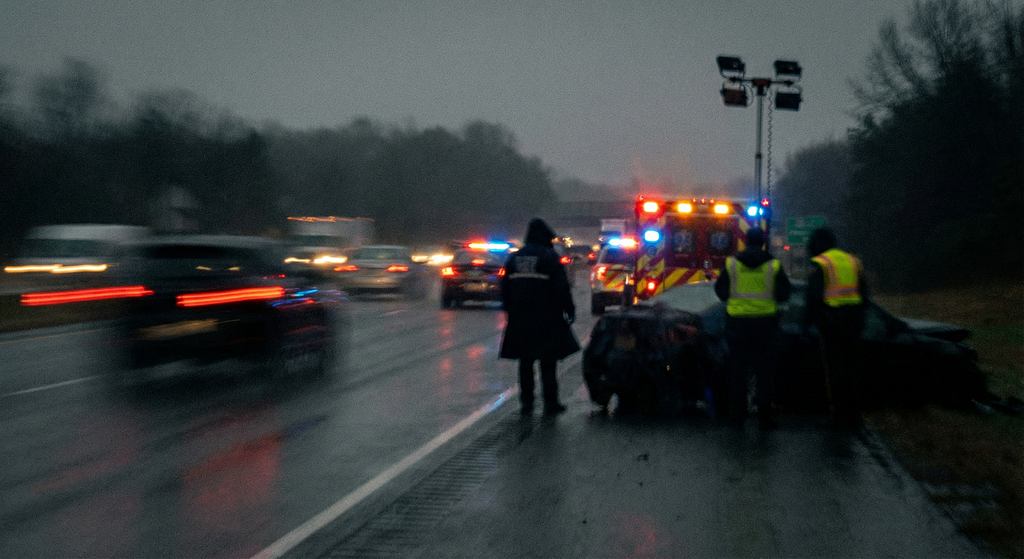
Motorcyclists have been struck from behind at highway speeds. A Model X slammed into a concrete median after tracking lane markings directly into a barrier. Teslas have plowed into parked emergency vehicles with lights flashing — over and over again.
Federal data shows a pattern that’s impossible to hand-wave away: a disproportionate share of advanced driver-assistance crashes involve Tesla vehicles.
And yes, Tesla logs everything. That data will come out. It always does.
The uncomfortable truth is this: we already know enough.
The $243 Million Moment That Changed the Equation
In August 2025, a Florida jury found Tesla partially liable for a fatal Autopilot crash, awarding $243 million in damages.
This matters for one reason:
The jury rejected the binary framing.
It wasn’t driver fault or manufacturer fault.
It was both.
That verdict quietly reset expectations for every autonomy-adjacent product:
- Marketing claims can create legal liability
- Driver distraction does not erase design responsibility
- “Beta” doesn’t mean consequence-free
If you’ve ever shipped software into the real world, you know this lesson already. Courts are just catching up.
The Vision-Only Bet No One Wants to Talk About
Here’s where the conversation gets technical — and honest.
Tesla made a deliberate choice to go camera-only, removing radar and rejecting lidar entirely. Internally, engineers raised concerns. Externally, competitors didn’t follow.
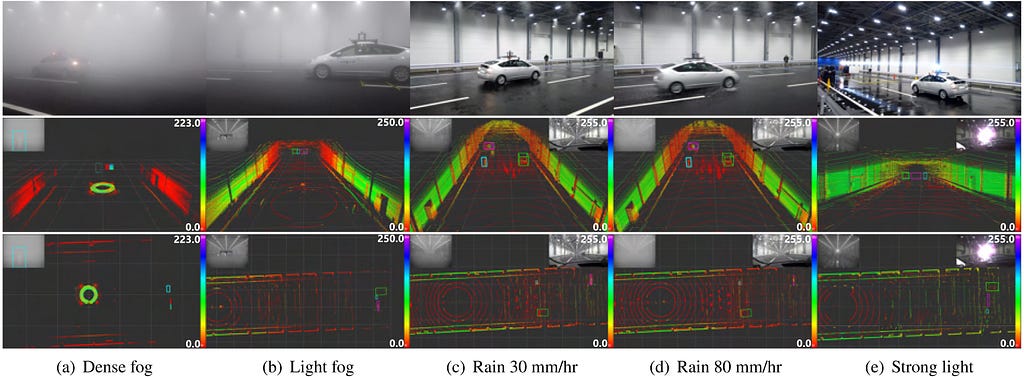
Companies like Waymo and Cruise stack sensors because perception fails in the real world:
- Glare
- Low contrast
- Weather
- Unusual geometry
- Small, fast-moving objects (like motorcycles)
Vision systems are incredible — until they aren’t. Anyone who’s debugged edge-case perception knows the cliff is steep and unforgiving.
When that cliff meets a two-lane highway, people die.
The Most Dangerous Part Isn’t the Code
It’s the naming.
“Autopilot.”
“Full Self-Driving.”
These are not neutral words. They are expectation-setting devices.
Legally, Tesla’s systems are SAE Level 2. Practically, the branding implies something closer to autonomy. Psychologically, it invites cognitive offloading — the human brain stepping back when it shouldn’t.
Regulators have started to say this out loud. Courts are starting to agree. And families are asking a question that doesn’t go away:
If it’s not self-driving, why did it act like it was?
The Data Argument — and Why It’s Misleading
Tesla often points to miles-per-crash statistics showing Autopilot outperforming human averages. On paper, it looks reassuring.
In practice, it’s apples to freight trains.
Those comparisons blend:
- Rural and urban driving
- Commercial vehicles
- Pedestrians and cyclists
- Different exposure profiles
Independent analyses tell a messier story. When normalized properly, Tesla’s fatality rates are not exceptional — and in some slices, they’re worse.
This isn’t about dunking on numbers. It’s about how numbers are framed to sell confidence.
And confidence is the product here.
Federal Investigators Aren’t Guessing Anymore
The National Highway Traffic Safety Administration didn’t mince words: Tesla’s system design enabled foreseeable misuse.
That phrase should chill anyone who builds technology.
Foreseeable misuse is our responsibility.
We design for it — or we own the consequences.
Tesla issued a massive software recall. Crashes continued. Now regulators are reopening probes to see whether the “fix” fixed anything at all.
From where I sit, this looks less like a bug and more like an incentive problem.
The Human Cost You Can’t Abstract Away
Nathan Blaine didn’t lose “four occupants.”
He lost his wife. His children. His future.
The truck driver who survived did nothing wrong — and will live with that moment forever.
This is what gets lost in autonomy debates: real systems don’t fail cleanly. They fail sideways, onto people who never opted into the experiment.
When we talk about “acceptable risk,” we’re really talking about who absorbs it.
The Question We Keep Avoiding
I believe autonomous systems can save lives. I’ve seen automation reduce error where humans consistently fail.
But here’s the line we’re crossing without admitting it:
We’re deploying persuasion faster than safety.
We’re teaching people to trust systems that still need supervision, then acting surprised when supervision erodes.
That gap — between promise and reality — is where bodies pile up.
Where This Ends
Courts are no longer deferring. Regulators are no longer impressed. And the public is slowly recalibrating what these systems actually are.
Tesla will survive this. The company is too big, too embedded not to.
But the era of consequence-free autonomy marketing is ending.
It has to.
Because every time a system drifts across a line it doesn’t understand, someone else pays for our optimism.
And that bill is coming due.
Tesla Autopilot Lawsuit: When “Self-Driving” Costs Real Lives was originally published in Write A Catalyst on Medium, where people are continuing the conversation by highlighting and responding to this story.

